According to tradition, when the Ark of Noah came to rest on Mount Ararat after the great flood, Noah and his family were filled with gratitude. The waters were going down, and they were safe at last. Noah wanted to prepare a special meal to celebrate this new beginning. However, there was very little food left. The long journey on the ark had almost finished their supplies Istanbul Private Tours Mevlevi.
So Noah gathered everything he could find at the bottom of baskets and storage jars. There were small amounts of grains, dried fruits, nuts, beans, and other simple foods. He mixed them all together and cooked them in one pot. The result, according to Turkish tradition, was a sweet dish known today as aşure, or Noah’s pudding.
Aşure is still popular in Turkey and is often prepared during special religious days. It contains many different ingredients, such as wheat, beans, chickpeas, raisins, figs, walnuts, and pomegranate seeds. Each ingredient keeps its own special taste and texture. Yet when they are mixed together, they create a new and richer flavor. The final taste is more than just the sum of all the separate parts. It becomes something unique and meaningful The Meaning of True Richness.
Anatolia A Land of Many Cultures
In many ways, Anatolia can be compared to aşure. Although it does not seem large when compared to whole continents, Anatolia has been home to an unusual number and variety of cultures throughout history. Civilizations such as the Hittites, Phrygians, Lydians, Greeks, Romans, Byzantines, Seljuks, and Ottomans all lived and ruled there at different times.
Like the ingredients of Noah’s pudding, each culture kept its own identity. Each one had its own art, religion, language, and traditions. Yet over time, these cultures influenced one another. They shared ideas, beliefs, and artistic styles. As a result, Anatolia became a place where cultures blended together while still keeping their unique qualities. The total richness of Anatolia is greater than simply adding up each civilization separately.
Many archaeology students who visit the country fall in love with its history and beauty. They are amazed by the layers of ancient cities, temples, churches, and theaters buried under the soil. Some of these students spend their entire lives uncovering the past of Anatolia. A few even become so deeply connected to the land that they choose to be buried near the sites where they worked.
A Cosmopolitan World in the Time of St. John
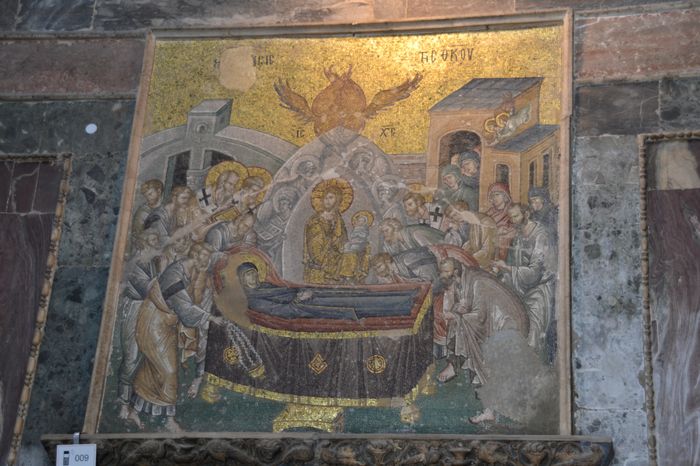
The meeting and mixing of cultures in Anatolia reached a high point during the early centuries of Christianity. When St. John left Palestine and traveled to Ephesus, he entered a world very different from Jerusalem. Jerusalem was mainly Jewish in culture and religion. Ephesus, however, was a large and cosmopolitan city. People from many nations lived there. Different religions, philosophies, and traditions existed side by side.
For someone living in such a world, choosing the right spiritual path was not easy. There were many gods, temples, mystery cults, and philosophical schools. The environment was rich but also confusing. It was in this complex cultural setting that early Christianity began to grow and spread.
Today, archaeological excavations in Anatolia continue to bring new discoveries to light. Often, more material is found than archaeologists can fully study at one time. As this material is carefully examined and understood, the important role of Anatolia in the early development of Christianity becomes clearer. Just like aşure, the history of Anatolia is a mixture of many ingredients, forming a cultural heritage that is deep, complex, and unique.