A tradition rooted in place
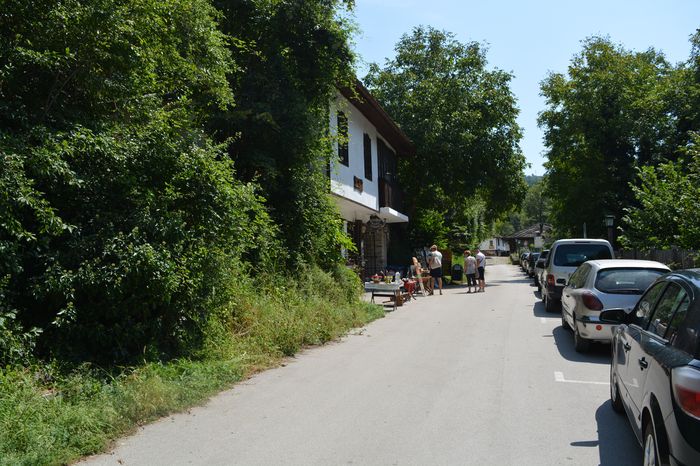
In southeastern Bulgaria the Strandzha region is known for wooded hills, small settlements, and traditions that have remained closely connected to local life. Nestinarstvo is a fire-dancing custom associated with particular communities and celebrations. It is often described through its most dramatic image: dancers moving barefoot across glowing embers. Yet understanding the tradition means looking beyond that moment to the music, preparation, community, and beliefs surrounding it.
A respectful visit begins with curiosity rather than expectation. The practice is not a staged attraction everywhere or on every day. Events are tied to local calendars and customs, so travelers should avoid assuming that a performance can be arranged on demand. Learning about the setting helps visitors approach the subject with care.
Look beyond the spectacle
The sound of the drum and the procession surrounding a celebration help explain why Nestinarstvo is more than a display of endurance. Participants and community members give the event meaning through shared practice. Visitors should follow local guidance about where to stand, when photography is welcome, and whether any part of a ceremony is private.
Dress simply and comfortably if you attend a public event. Arrive early enough to understand where visitors are expected to gather, and avoid blocking the movement of participants. If photography is permitted, take a few thoughtful images rather than treating the ceremony as a continuous photo opportunity. Respectful attention makes a better experience for both guests and hosts.
Build a balanced regional itinerary
Strandzha suits travelers who enjoy combining cultural context with time outdoors. Forest roads and village landscapes can fill a day, while a community event may call for a separate evening plan. If you are comparing Bulgaria’s different landscapes, the Bulgaria Stob Pyramids Geology Walking Guide offers a contrasting idea for a future trip toward the Rila region.
A wider journey may also include historic layers from different periods. Travel Ottoman Bulgaria can be considered when sketching an itinerary that connects regional heritage with other destinations. Leave space between stops: long drives, changing weather, and local event schedules can all affect the day.
Ask questions with sensitivity
Visitors often want to know how the embers are prepared and what the dance means to participants. Those questions are best asked at an appropriate time and through a knowledgeable local host. Avoid interrupting a ceremony to seek an explanation. Listening beforehand and asking afterward, when welcomed, allows the event to remain centered on the community.
If you are arranging a visit and need to discuss timing or practical details, Contact Us during your planning. A guide familiar with local etiquette can help explain what visitors may observe and how to behave. The Ensar Tour Guide phrase is linked here as requested for travelers looking for guided travel context.
Leave room for the unexpected
A Strandzha visit may be memorable even without witnessing a fire dance. The quiet lanes, forested slopes, and everyday details of village life provide plenty to notice. Treat Nestinarstvo as a living heritage rather than a scheduled spectacle, and let the community’s customs set the pace.
Plan around confirmed information, keep expectations flexible, and follow local instructions. That approach creates space for a meaningful encounter while respecting the people who continue the tradition.