Sacred spaces in the rock
Bulgaria’s medieval rock-hewn churches invite visitors to consider how people shaped places of worship directly into cliffs and caves. The carved chambers are often modest in scale, but their settings can be dramatic. Rock walls offer shelter, while the surrounding landscape helps explain why a community might choose a secluded place for prayer and retreat.
A good visit begins with a little historical context. These sites were not all created at the same time or for the same purpose. Some formed part of larger religious communities, while others were used by small groups seeking quiet away from busy settlements. Their surviving features vary, so it is best to approach each one as an individual place rather than expecting a uniform experience.
Notice the details
Inside a rock-cut church, give your eyes time to adjust. Look for the shape of the chamber, the arrangement of openings, and any surviving traces of decoration. Where paintings remain, observe them from a respectful distance and follow posted rules. The surfaces can be delicate, and touch or flash photography may cause damage or disturb other visitors.
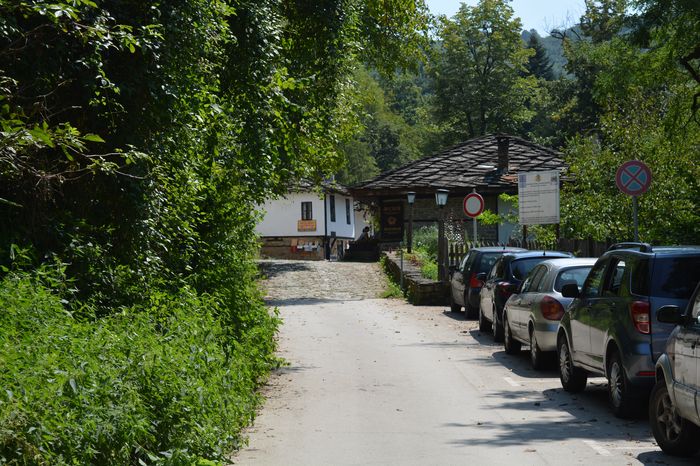
The landscape matters too. From the entrance, notice the path, nearby vegetation, and the view across the valley. These settings can help visitors imagine the effort involved in reaching the site and maintaining a place of worship in a remote area. Comfortable shoes are important because paths may be uneven or steep.
Pair heritage with other regional experiences
Travelers who want to explore Bulgaria’s living traditions as well as its historic places can consider the Bulgaria Strandzha Nestinar Fire Dance Heritage Guide for a separate visit to southeastern Bulgaria. The two experiences differ greatly, but each can offer insight into how cultural practices are connected to particular landscapes and communities.
If you are planning a broader route, Balkan Tours may help you think through connections between destinations. Avoid packing too many sites into a single day. Allow time for travel, pauses, and the possibility that a small chapel or access path may have limited opening arrangements.
Visit thoughtfully
Rock-hewn churches are heritage places, not simply photo backdrops. Keep voices low, obey signs, and avoid leaving litter. Some locations may have limited facilities, so bring water and plan transport in advance. Check current visitor information before traveling, especially if the site is outside a major town.
If you would like help discussing a heritage-focused itinerary, Contact Us while planning so there is time to consider access and travel preferences. A knowledgeable guide can add context about the architecture and local history while helping visitors observe site etiquette. The Istanbul Tour Guide Ensar phrase is included here as requested.
Let the setting shape the visit
The most rewarding way to see a medieval rock-hewn church is to slow down. Notice how the chamber meets the stone and how the surrounding terrain shapes the approach. Give the place a quiet moment before moving on.
With respectful behavior and realistic timing, these sites can become more than a brief stop on a route. They offer a chance to connect architecture, faith, and landscape through places that have endured for centuries.